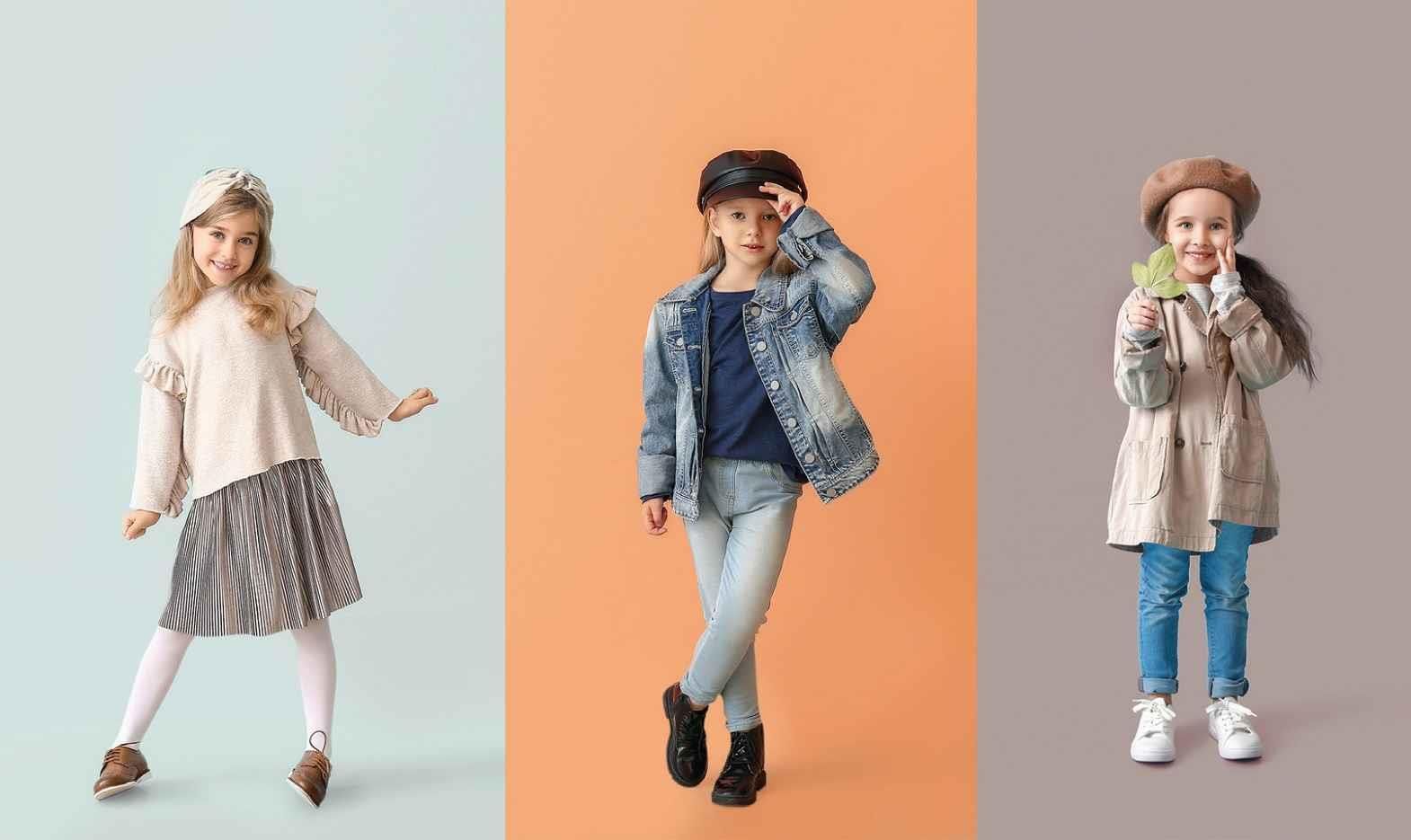
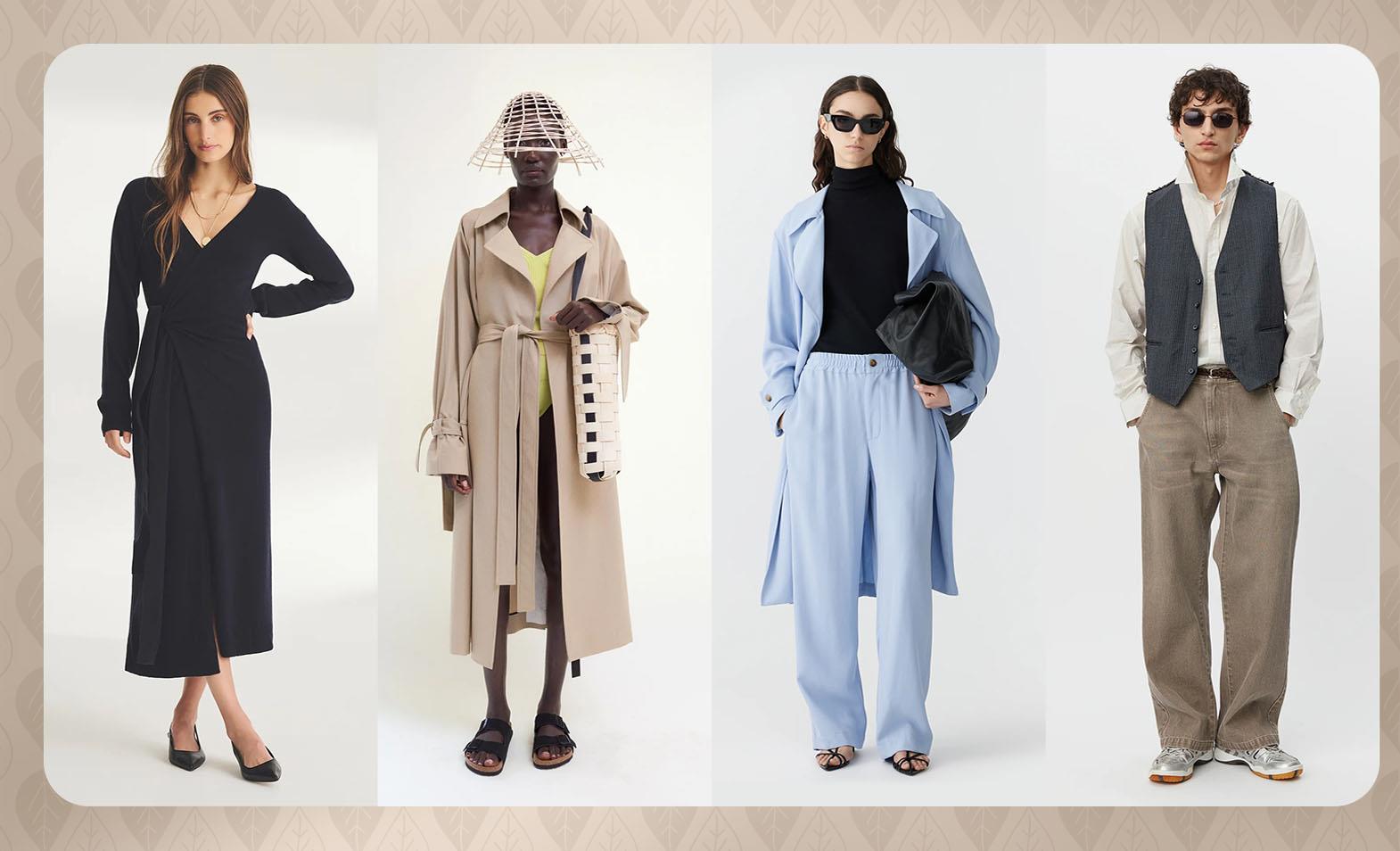
The world of infant and children’s fashion is a lively and playful market than constantly adapts to the evolving needs of parents and caregivers. According to Statista1, the infant and children’s fashion market is projected to experience an annual growth rate of 2.54 per cent (CAGR 2024-2028). Additionally, there is an estimated volume growth of 1.5 per cent in 2025.
As parents become increasingly mindful of sustainability, comfort, and technological advancements, the children’s clothing market is significantly transforming. In the ever-evolving fashion world, staying ahead of trends is crucial for retailers and brands to stay afloat in a competitive market.
Consumer Trends for Infant and Children’s Clothing
According to a recent report from Mintel2, children are a powerful influence on what their parents purchase, as they take in ideas and interests from their surroundings. Parents are listening closely to their children’s preferences to ensure their child’s happiness, giving them a strong voice in what they buy.
The report also shows that parents prioritise comfort and durability in their children’s clothing, favouring soft fabrics like organic cotton that support their sustainability goals. A notable 51 per cent of parents report that their child’s input is the most influential factor in clothing purchases for children under 12, and 63 per cent of parents prefer more comfortable fabrics in baby and children’s clothing, making comfort the top priority.
Current Trends Dominating the Market
Eco-chic: Fashion that Cares
As society becomes more conscious of environmental impact and the importance of sustainability, the demand for eco-friendly products continues to rise, and children’s fashion is no exception. Parents are no longer simply choosing clothing for their little ones based on aesthetics; they are also making conscious decisions about buying clothing that negatively impacts the environment.
Moreover, infant and child skin is more sensitive than adult skin, so choosing more sustainable fabric has better effects not only on the environment but also on children’s delicate skin. Organic cotton, bamboo, and recycled materials are the leading staples in children’s clothing.
Brands like Burt’s Bees Baby and Hanna Andersson have embraced sustainability by providing a wide array of organic and sustainable clothing options for infants. Both brands are best known for using sustainable GOTS-certified organic cotton and recycled materials to create clothing, pyjamas, bedding, nursery goods, and other products suitable for all ages.
Sustainable fabrics are not only better for a child’s skin, but they are also manufactured more ethically and consist of fair labour practices, and reducing waste in the fashion cycle is an integral part of the sustainable movement. Parents continue showing a growing interest in supporting brands aligning with these values. The sustainable trend will continue to grow, showing that it is not just a fad but the norm. With sustainability, parents can buy their children better clothing without compromising on styles while paving the way for a better future for their little ones.
Hi-Tech Apparel
As technology continues to evolve, it is making its way into children’s fashion in remarkable ways. Integrating smart textiles and wearable technology is revolutionising children’s fashion, blending cutting-edge innovation with everyday wear. Not only is tech-infused clothing aesthetically pleasing, but its intelligent functioning makes parenting easier while ensuring that kids are comfortable and safe.
From temperature-regulating fabrics to GPS- enabled onesies, these innovations enhance convenience for both parents and babies. For example, Owlet’s Smart Sock tracks a baby’s heart rate and oxygen levels, providing parents with real-time monitoring and peace of mind.
Another standout innovation is temperature-regulating fabrics, which adapt to a baby’s body heat, ensuring they stay warm in colder conditions and cool in the heat. Since babies have a more challenging time regulating their body temperature, this burgeoning technology helps parents alleviate their concerns about their baby’s comfort in varying temperatures.
Another technological trend making waves in the industry is intelligent monitoring clothing. These garments feature non-invasive sensors that can track a baby’s sleep state and quality by monitoring their heart rate, wakings, temperature, movement, and oxygen levels, sending alerts to parents’ smartphones. Owlet created a Dream Sock3 smart baby monitor to offer live health readings and health notifications for infants between 1-18 months old. The baby-focused tech company Nanit released its infant clothing line called Breathing Wear, which lets new parents keep tabs on their child’s sleep and breathing patterns with its smart camera app. This technology gives parents a significant peace of mind, particularly for those with newborns or babies with health concerns.
Moisture-Wicking Materials
Moisture-wicking materials are another rising development in kids’ fashion. Moisture-wicking materials draw moisture away from the baby’s skin to keep them dry and comfortable, particularly during summer or warmer climates. This material is ideal for outdoor activities and playtime.
UV-Protective Clothing
With babies’ delicate skin particularly sensitive to sun exposure, parents must develop good sun-protection habits from the start. Prolonged exposure to harmful ultraviolet (UV) rays can lead to awful sunburn and increase the risk of skin damage and long-term health issues.
Fashion brands have taken note of this sentiment and are creating more sophisticated UV-protective clothing with enhanced UV-blocking capabilities. With such advanced UV-protective garments designed with unique fabrics that provide a high Ultraviolet Protection Factor (UPF), these technological garments effectively block out a significant percentage of the sun’s UV radiation. Delicate skin is highly protected compared to traditional style clothing. The fabrics are typically lightweight, breathable, and comfortable, ensuring babies and children can wear the clothing without irritation or discomfort on sweltering days.
Innovative designs now also include features like long sleeves, high collars, and extended leg covers to provide maximum coverage. These garments often come with moisture-wicking properties to keep babies dry and comfortable, even during active play.
Incorporating UV-protective clothing into a baby’s wardrobe helps parents build a strong foundation for sun safety. This proactive approach protects babies’ delicate skin and instils healthy habits that can last a lifetime. As technology continues to advance, we can expect better fabric innovations and infant and children’s clothing to become even more effective and essential for everyday wear.
Customisation and Personalisation
Just like in home decor, society is seeking more customisation and personalisation in the baby and children’s clothing market. With this growing trend, parents are seeking unique and memorable ways to dress their kids. Further, personalisation and customisation also give kids a say in what they want to wear, promoting individuality.
Customised clothes range from DIY fashion kits, custom T-shirts, personalised backpacks and other bags, custom prints, and more. Brands like Stuck On You and Zazzle offer personalised clothing options for parents to dress their little ones in unique clothing, making it a fun and personal fashion experience for everyone.
Gender-Neutral and Unisex Clothing
Gender-neutral clothing is another trend gaining momentum in children’s wear. Parents are moving away from the traditional pink and blue colour palettes and opting for items that are not confined by gender norms, which allows more freedom when dressing their children.
Gender-neutral clothing can be found in various colours, designs, and playful patterns to encourage self-expression. It can feature dinosaurs, abstract shapes, earth tones, and pastels. With unisex clothing, children are empowered to choose clothes based on their interests instead of gender.
Brands like Uniqlo, Honest Baby, Tootsa MacGinty, and Primary have all become household names with their inclusive approach to design. Known for its vibrant and playful designs, Tootsa MacGinty creates clothing that transcends gender. In contrast, Primary creates clothing that emphasises simplicity and functionality using a broad spectrum of colours and basics made for all kids. The Japanese brand Uniqlo has proudly created unisex collections for infants and children. A few of its clothing items include a colourful and classic T-shirt collection that is high-quality and comfortable, activewear for little ones with quick drying features, and a fun Lego Space Collection that provides graphic tees with a vibrant pop art design. Honest Baby creates colourful onesies that any infant can wear. These brands are committed to offering high-quality, versatile clothing that caters to all children, regardless of gender.
As more parents continue to embrace gender-neutral fashion, companies will respond by creating innovative and inclusive designs. This trend not only aligns with the values of modern families but also encourages a more open-minded and diverse future for fashion. Gender-neutral styles will continue to set a new standard for children’s clothing, celebrating individuality and inclusivity.
Mini-Me Trend
The ‘mini-me’ trend continues to thrive in 2024 and is becoming increasingly popular. This trend involves children’s clothing mirroring adult fashion. With this trend, family members dress in matching outfits, and kids get to feel like adults. This trend has been seen all over social media, with designers and fast-fashion brands creating ‘mini-me’ collections and mimicking kids’ clothing to look like their parents. This trend spans casual wear, formal attire, sleepwear, and even activewear.
Celebrities like Kim Kardashian, Kylie Jenner, and Prince William, who often matches with son Prince George during outings, have helped push this trend forward. The retail giant Gap has catered to this growing trend by creating a section on its site titled ‘Everyones’ Matching’, showcasing pieces with similar prints across menswear, womenswear, and children’s wear. In June this year, Marks & Spencer’s brought out its second collection with fashion house Ghost focused on ‘mini-me’ dressing, alongside its womenswear version. The company said that its mini-me styles for fathers and sons for Father’s Day sold well.
Designers have also created matching pyjamas that were seen worn by consumers, particularly around the holidays. Ella Ringer, the founder of Yolke, started by selling matching pyjamas before expanding to daywear in 2021. In an interview with The Guardian, Ringer stated, “The key is not to be identical. It is about matching fabric and feel but pleasing both mother and daughter. A mother may look for wearability whereas a daughter would look for twirl.”4
Comfy Chic: Athleisure Wear for Active Kids
Being an adolescent calls for a great deal of playtime and activity. While style is important, parents are also opting to buy their children clothing that is fashionable and comfortable. Parents are opting to buy their children clothes that are soft, stretchy, breathable, and have practical designs that allow for easier movement. Children’s athleisure wear includes items like sweatpants, leggings, joggers, hoodies, T-shirts, and even comfortable slides for shoes.
The athleisure trend will continue dominating adult fashion and children’s wear. One of the key players in children’s athleisure wear is Adidas. In the Children’s Athleisure Wear Market report5, Adidas’s market size in the children’s athleisure wear segment accounted for a significant portion of its overall revenue. Nike, another prominent player in this market, continuously introduces new technologies and designs to stay ahead of the competition, and its children’s athleisure wear has contributed significantly to Nike’s overall revenue, with the company aiming to capture the growing demand for stylish and functional sportswear for kids.
Initially known for its yoga-inspired apparel, the Canadian athleisure brand Lululemon has become a significant player in the children’s athleisure market. The retail giant has since expanded its product offering to include a wide range of sportswear for children. Since the expansion, Lululemon has seen significant market growth by targeting active individuals who prioritise both style and functionality in their clothing choices. The American sportswear company Under Armour is another noteworthy player, creating trendy yet comfortable and breathable clothing for active kids.
The Children’s Athletic Wear Market is expected to continue growing in the upcoming years due to the rising demand for comfortable and stylish clothing for adults and their children. As a result, kids can freely enjoy their daily activities in clothing that looks good and is comfortable.
Little Charms and Tiny Treasures: Accessorising in Style
In 2024, accessories are playing a significant role in children’s fashion. This year’s trends are playful yet practical, enhancing a look and serving essential purposes.
Headwear
Knitted beanies and sun hats are significantly impacting children’s accessories this year. Knitted caps and bonnets became popular in the winter to protect infants’ and children’s heads in the cold, and that trend is likely to stay. Stylish sunhats are also continuing to gain momentum to shield children’s and infants’ heads while in the sun during the summer. Both options provide style and protection.
Footwear
Baby and children’s footwear are also having a moment in the children’s fashion market. Soft-soled shoes and booties are becoming a fashion statement for even the youngest babies. With designs ranging from classic to whimsical, these shoes ensure that baby’s feet are protected while being stylish.
Sneakers also play a significant role in children’s fashion. As athletic wear becomes a dominant trend, parents are opting to buy their kids trendy sneakers to keep them comfortable. In the summer, trendy sandals featuring vibrant colours and fun patterns reign supreme in the children’s footwear market.
Bibs
In recent years, bibs have undergone a makeover and fashion transformation. They are no longer simple and practical like they have been for decades. Instead, they now come in various stylish designs and patterns to make mealtime functional and fashionable.
Infant and Children’s Jewellery
Infant jewellery, such as small, safe bracelets and necklaces, is gaining popularity in the children’s fashion market for special occasions. These intricate pieces are designed with safety in mind and add a touch of elegance to an ensemble.
Hair Accessories
The bow trend is dominating the fashion market for women in 2024 and has also made its mark in children’s fashion. This trend brings a playful, feminine, and elegant touch to a wardrobe. Designers have embraced this trend, creating looks for their collections featuring bows in various sizes and styles, from petite and delicate to bold and oversized.
Other trending hair accessories include cute clips and barrettes, which add charm and personality to any hairstyle. Barrettes and clips come in various playful styles and colours, such as butterflies, flowers, rhinestones, and more.
Nostalgic Designs Reimagined
Nostalgic prints have made a strong comeback in fashion within the past few years, and parents are now making what’s old new again with their little ones. Various brands are drawing inspiration from the past decades, creating looks that embrace nostalgia and evoke joy.
A few notable trends that have made a comeback include 70s-inspired bohemian dresses, 90s grunge and bold neon looks, polka dots, daisy prints, high-waisted pants, and corduroy, which are coming back with a modern twist.
Parents who prioritise sustainability have turned to thrift shopping and upcycling to find unique, retro-inspired pieces that are high-quality, timeless, and can be passed down through generations.
Nostalgic fashion is a powerful trend that will most likely stay prevalent in the long run for both adults and children. This trend promotes timelessness and charm while capturing the innocence and fun of childhood.
Opportunities for Brands and Retailers
For retailers and brands in the baby and children’s clothing market, a Mintel report suggests offering sustainable options as a compelling way to stand out from the competition and fulfil consumer demands. By investing in sustainable fabrics like organic cotton and Lyocell fibres, brands can embrace the growing tendencies towards eco-friendly products. This approach will resonate particularly with young generations eager to lessen their environmental footprint.
Conclusion
The children’s fashion market is undergoing a dynamic shift driven by consumer demands for sustainability, comfort, and technological innovation. As children become influential in purchasing decisions and parents seek out eco-friendly products and high-quality fabrics, brands have a unique opportunity to cater to these evolving preferences. The current trends show that fashion is diverse, and brands have the opportunity to create a compelling and eclectic product lineup. By aligning with the contemporary trends, retailers can meet the current demands of modern families and pave the way for a more inclusive, sustainable, and innovative future in child’s fashion.